Skip to content
Services

Garage Floor Coating

A full-flake polyaspartic system for residential garages — built for hot tires, road salt, and a floor that gets used rather than looked at.

  • Locally Owned
  • Built for Eastern Oregon
  • Diamond-Ground Prep
  • Polyaspartic Topcoat
  • Written Warranty Available

Why garage floors fail

Most failed garage floors were not failed coatings — they were failed prep. A coating rolled over a sealed or acid-etched slab has nothing mechanical to grip, so it releases in sheets the first time a hot tire sits on it. That is the failure people mean when they say epoxy peels. The fix is not a better bucket of product; it is opening the concrete up so the coating bonds to profiled slab instead of to the surface layer sitting on top of it.
How we prepare the slab

Every floor is diamond-ground, not etched. Grinding cuts a profile into the concrete and takes off old sealers, curing compounds, and contamination in the same pass. Cracks are chased out and filled rather than coated over, because a crack that still moves will telegraph straight through a finish within a season. Control joints are respected rather than filled flat. On older La Grande and Baker City garages we also check for moisture coming up through the slab before anything goes down.

The system we install

A pigmented base coat goes down first, and vinyl color flake is broadcast into it while it is still wet — to refusal, so the floor is fully covered rather than speckled. Once cured, the excess is scraped and vacuumed back and a UV-stable polyaspartic topcoat is laid over the top. The flake layer is what hides the scuffing and tire marks a solid color shows immediately; the topcoat is what resists yellowing, chemicals, and abrasion.

Why polyaspartic in Eastern Oregon

Polyaspartic cures in cold that stops an epoxy outright, which in practice is the difference between installing in February and waiting for May — worth a lot in a valley where winter runs long. It also stays more flexible through the freeze-thaw swing that pulls slabs apart at elevation, from North Powder at 3,250 feet up to Joseph at 4,200. And it does not amber in UV the way an epoxy does where sun reaches through an open garage door.

What to expect on install day

A standard two-car garage is typically a one-day install with the floor walkable the same evening. You can usually be back on it with foot traffic the next morning and parking on it after about 24 to 48 hours, depending on temperature. We will give you the actual numbers for your floor in the quote, along with the warranty terms in writing — not after the job, but before you decide.

System

Built into
every floor.

No upgrade tiers, no premium add-ons. The same specification goes down on a single-stall garage and a 4,000 sq ft shop.

01

Diamond-Ground Concrete Prep

Mechanical prep — not just etching. The slab is opened up so the coating bonds to clean, profiled concrete.

02

Full Chip Broadcast

Vinyl color flakes broadcast into a wet base coat for a fully covered, dimensional finish.

03

UV-Stable Polyaspartic Topcoat

A polyaspartic topcoat is laid over the flake — designed to resist yellowing, scratching, and tire pickup.

04

Stain & Chemical Resistant

Designed to help resist oil, automotive fluids, and common garage and shop chemicals.

05

Designed for Freeze-Thaw

Specified for the realities of Eastern Oregon weather — long winters, sudden warm-ups, full-sun summers.

06

Locally Owned, Owner-Led

Locally based in La Grande. Installation is owner-led, and every quote includes the warranty terms in writing.

Process

Five steps,
one slab at a time.

Each step is done in sequence on a single floor. We don't run multiple jobs in parallel — when your floor is in, we're on it.

  1. 01

    Grind

    The slab gets diamond-ground with HEPA-vacuumed grinders. This opens the concrete profile so the coating can lock into clean, sound substrate.

  2. 02

    Repair

    Cracks, pits, and spalls are routed out and filled with structural repair material. The whole floor is brought to a uniform plane before any coating goes down.

  3. 03

    Base Coat

    A pigmented epoxy or polyaspartic base is rolled across the prepped slab — the bonding layer and color foundation for the finish.

  4. 04

    Chip Broadcast

    While the base is wet, vinyl color flakes are broadcast to full rejection. Excess is collected the next day and the surface is scraped flush.

  5. 05

    Polyaspartic Topcoat

    A UV-stable polyaspartic topcoat seals the floor — fast-curing, scratch- and chemical-resistant, and ready for use the next day.

FAQ

Garage Floor Coating — questions

Can you coat a floor in the winter?

Usually, yes. Polyaspartic cures at temperatures that stop an epoxy outright, which is a large part of why we run it in Eastern Oregon. An unheated garage in La Grande or an outbuilding in Cove is workable through most of the winter. What we cannot work around is a wet or frozen slab, so the honest answer for any given week is that we look at the forecast and the floor together.

How long before I can park on it?

Foot traffic is usually fine the next morning. Vehicle traffic typically takes 24 to 48 hours depending on temperature — colder means longer. We give you the actual numbers for your floor and the conditions at install, rather than a brochure figure, and they go in the quote.

Why does epoxy peel, and will this do the same thing?

Almost every peeling floor traces back to preparation, not product. A coating rolled over a sealed or acid-etched slab has nothing mechanical to grip and releases in sheets the first time a hot tire sits on it. We diamond-grind every slab instead of etching, which cuts a profile into the concrete and takes off old sealers and contamination in the same pass. That bond is the part that determines whether a floor lasts.

My slab has cracks. Is it still a candidate?

Usually. Cracks get chased out and filled as part of prep rather than coated over — a crack that still moves under a coating will telegraph through the finish within a season. Control joints are a different thing and get respected rather than filled flat. What we do want to look at in person is whether a crack is stable or still moving, because that changes the answer.

How long does a floor take?

A standard two-car garage is typically a single day, start to finish, with the floor walkable that evening. Larger shop floors and farm buildings run longer, and outdoor work depends on the weather window. Wallowa County jobs are scheduled as full days rather than split visits, because the drive over the hill makes coming back mid-cure impractical.

How do I clean it?

Sweep or dust mop for the day-to-day, and a damp mop with a neutral cleaner when it needs more. Skip anything citrus-based or strongly acidic. A full-flake finish hides the ordinary scuffing that shows up immediately on a solid color, which is part of why we broadcast to refusal rather than speckling it.

Service area

Where we install

Based in La Grande, working across 4 counties. If you are outside this list, call and ask — the answer is often yes.

  • La Grande Our home town Union
  • Island City About 5 minutes from La Grande Union
  • Cove About 20 minutes from La Grande Union
  • Union About 20 minutes from La Grande Union
  • Imbler About 20 minutes from La Grande Union
  • Elgin About 25 minutes from La Grande Union
  • North Powder About 25 minutes from La Grande Union
  • Baker City About 45 minutes from La Grande Baker
  • Wallowa About 50 minutes from La Grande Wallowa
  • Pendleton About 55 minutes from La Grande Umatilla
  • Enterprise About 1 hr 5 min from La Grande Wallowa
  • Joseph About 1 hr 10 min from La Grande Wallowa
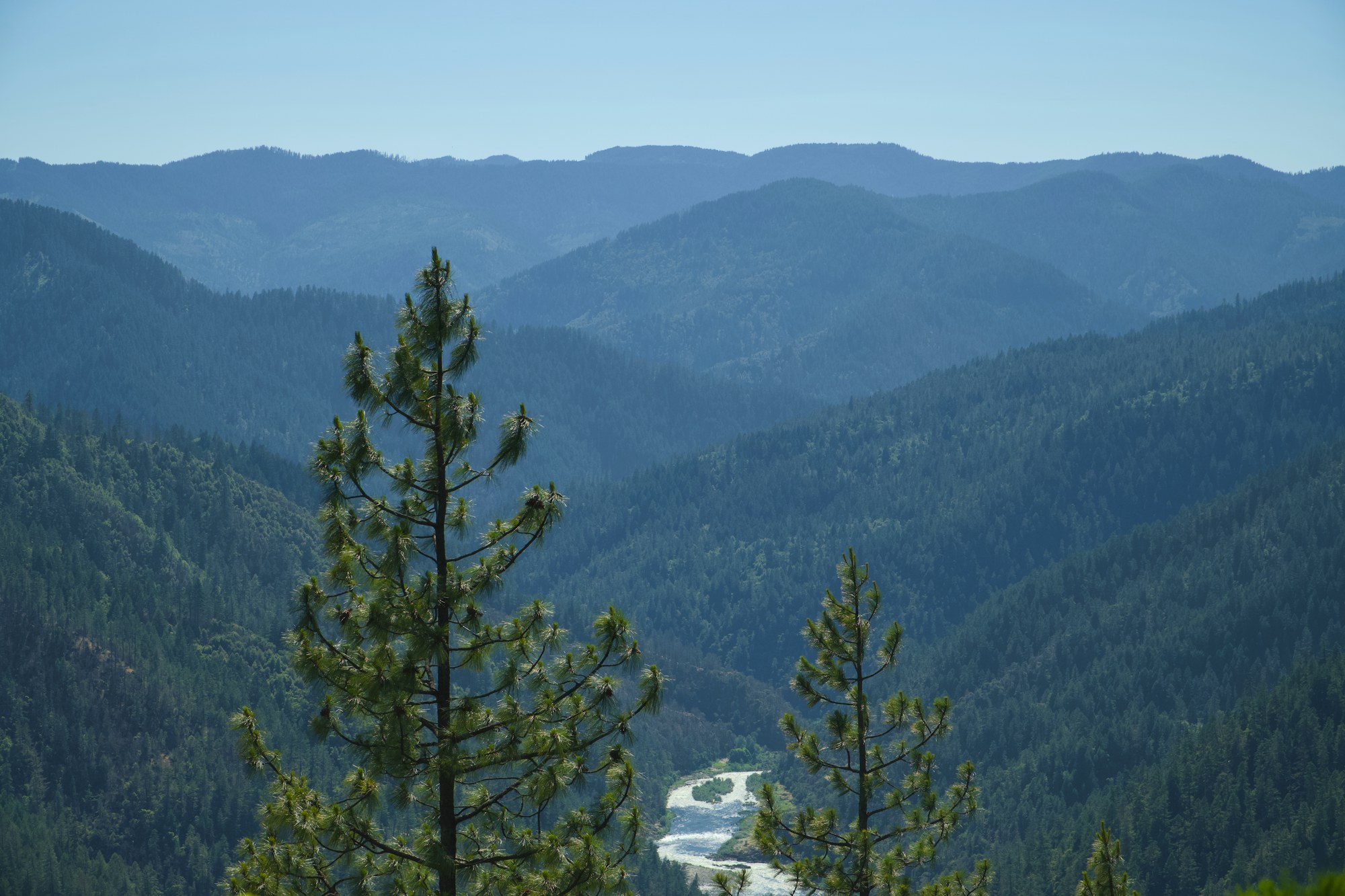
Forested mountains in Eastern Oregon
Get a quote

Free on-site quote
in Eastern Oregon.

Send a few details about your slab. We'll come measure, walk the floor, and write the quote — including the warranty terms — on the same visit.

Start a Quote
Contact

Tell us about
the slab.

Have photos you'd like to share?

Optional — up to 5 photos of the floor, 10 MB each.

By submitting, you agree to our Privacy Policy and Terms.